

Introduction
Cervical cancer is one of the most preventable yet still one of the most common cancers affecting women, especially in developing countries like India. With timely screening, vaccination, and awareness, cervical cancer can be detected early—or even prevented completely. This blog aims to spread awareness about cervical cancer, its causes, warning signs, prevention, and the importance of regular screening.

What is Cervical Cancer?
Cervical cancer develops in the cervix, the lower part of the uterus that connects to the vagina. Most cases of cervical cancer are caused by persistent infection with Human Papillomavirus (HPV), a very common virus transmitted through sexual contact.
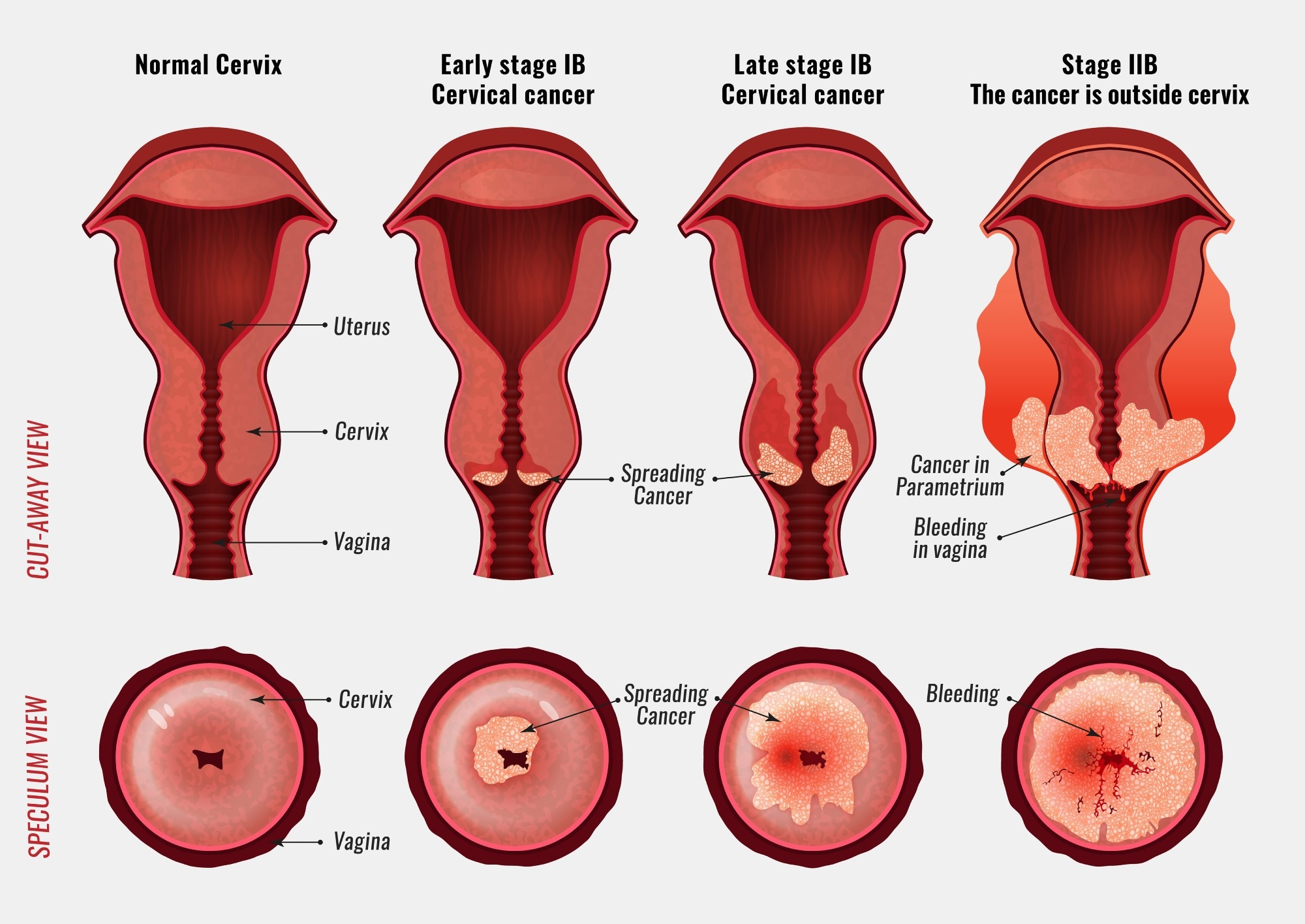
What Causes Cervical Cancer?
The primary cause is long-term HPV infection, particularly high-risk types like HPV-16 and
HPV-18.
Other risk factors include:
- Early age of sexual activity
- Multiple sexual partners
- Smoking
- Poor genital hygiene
- Weakened immunity
- Lack of regular screening
Common Symptoms to Watch For
- Early cervical cancer may not show any symptoms. As the disease progresses, symptoms
- may include:
- Abnormal vaginal bleeding (after intercourse, between periods, or after menopause)
- Foul-smelling vaginal discharge
- Pelvic pain
- Pain during sexual intercourse
- Any abnormal bleeding should never be ignored.

Why Screening Is So Important
Regular screening can detect precancerous changes long before cancer develops.
Common screening tests:
- Pap smear – detects abnormal cervical cells
- HPV DNA test – detects high-risk HPV infection
- Screening is recommended:
- From 21 years onwards
- Every 3–5 years, depending on the test used and age
- HPV Vaccination: A Powerful Preventive Tool
- HPV vaccines protect against the most common cancer-causing HPV types.
- Recommended for:
- Girls and boys 9–14 years (best before sexual exposure)
- Can also be given up to 45 years, after medical consultation
- Vaccination + screening = maximum protectionPrevention Tips
- Get vaccinated
- Attend regular screening
- Practice safe sexual habits
- Avoid smoking
- Maintain good genital hygiene
- Seek medical advice early for symptoms
Breaking the Myths
- Cervical cancer is not caused by bad luck
- It is not contagious like flu
- Screening is not painful
- Vaccination does not affect fertility
- Education and awareness save lives.
Conclusion
Cervical cancer is preventable, detectable, and treatable when identified early. Awareness,vaccination, and routine screening are the strongest weapons we have against this disease. Let us empower women with knowledge and encourage regular health check-ups. Early detection saves lives. Prevention is always better than cure